

15mm float glass
Understanding OEM Saddle Pipe Clamps A Comprehensive Guide When it comes to industrial applications and piping systems, effective component selection is crucial for ensuring durability and operational efficiency. One such component that plays a vital role in securing pipes is the OEM saddle pipe clamp. This article delves into what OEM saddle pipe clamps are, their applications, benefits, and tips for selection. What are OEM Saddle Pipe Clamps? OEM, or Original Equipment Manufacturer, refers to the production of components specifically designed for use in another company’s equipment. Saddle pipe clamps are specialized fittings used to support and secure pipes in various industrial systems. Typically made from durable materials like stainless steel, carbon steel, or plastic, these clamps wrap around the pipe and are affixed to a supporting structure, ensuring that the pipe remains stable and properly positioned. A saddle pipe clamp features a unique “saddle” design that distributes the load evenly across the pipe surface. This design not only provides excellent support but also reduces the risk of damage to the pipe from stress concentrations. OEM saddle pipe clamps are engineered with precision, adhering to specific industry standards to ensure reliability and performance. Applications of Saddle Pipe Clamps Saddle pipe clamps find widespread use across multiple industries. They are commonly used in - Plumbing Systems Essential for securing water supply lines or drainage pipes in residential and commercial buildings. - HVAC Systems Used to support ventilation and air conditioning ducts, ensuring a secure fit within the infrastructure. - Oil and Gas Critical for securing pipelines that transport oil, gas, or other fluids through varying terrains and temperatures. - Manufacturing Employed in various machinery to manage piping related to hydraulic systems and fluid transport. The versatility of saddle pipe clamps makes them an integral part of many applications across diverse sectors. Benefits of Using OEM Saddle Pipe Clamps oem saddle pipe clamp 1. Durability Built with high-quality materials, OEM saddle pipe clamps are designed to withstand harsh environmental conditions, including extreme temperatures and corrosive substances. 2. Ease of Installation These clamps facilitate quick and efficient installation, minimizing downtime during the assembly process. Their user-friendly design allows for easy adjustments and repositioning. 3. Load Distribution The saddle design evenly distributes weight, reducing the potential for pipe damage. This feature is particularly important in high-stress environments where conventional clamps may fail. 4. Customization OEM manufacturers often offer customization options, enabling businesses to select the right size, material, and configuration to meet specific operational requirements. 5. Cost-effectiveness By ensuring the longevity and reliability of piping systems, OEM saddle pipe clamps can reduce maintenance costs and the need for frequent replacements. Selecting the Right Saddle Pipe Clamp When choosing an OEM saddle pipe clamp, several factors should be taken into account - Pipe Size and Type Ensure the clamp is designed to fit the specific dimensions of the pipe, whether it’s PVC, metal, or flexible tubing. - Material Compatibility Consider the environmental conditions where the clamp will be used. For instance, stainless steel is ideal for corrosive environments. - Load Requirements Assess the load the clamp will bear to ensure it is appropriate for the application. - Installation Environment Choose clamps that can withstand the specific environmental conditions, such as exposure to chemicals, extreme temperatures, or moisture. Conclusion In conclusion, OEM saddle pipe clamps are essential components in maintaining the integrity and stability of piping systems across various industries. With their robust design, ease of installation, and durability, they play a crucial role in ensuring efficient operations. By understanding the features, benefits, and selection criteria for these clamps, businesses can make informed decisions that contribute to the longevity and performance of their systems. Whether you are involved in construction, manufacturing, or maintenance, incorporating high-quality saddle pipe clamps into your projects can lead to significant benefits and peace of mind.
about
15mm float glass
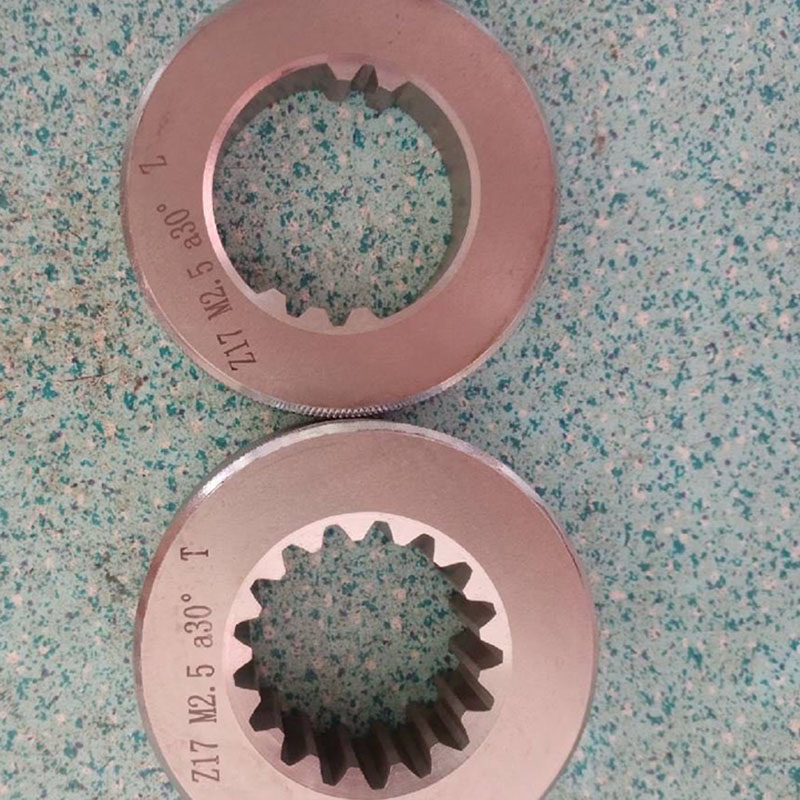
The Importance of Taper Gauge Measurement in Precision Engineering In the realm of precision engineering, the accuracy of dimensions and tolerances plays a critical role in ensuring the functionality and reliability of mechanical components. One of the essential tools used in measuring dimensions, particularly in cylindrical workpieces, is the taper gauge. This article delves into the significance of taper gauge measurement and its application in various industries. A taper gauge is designed to measure the taper or angle of a surface, allowing engineers and machinists to assess how much a workpiece deviates from its specified taper. Tapers are commonly found in numerous applications, such as in the production of machine tools, pipes, and automotive components. Measuring taper is vital because even minute discrepancies can lead to improper fit or functionality, resulting in costly rework or product failure. The process of taper gauge measurement involves inserting the tapered end of the gauge into the conical feature of the workpiece. The gauge consists of a series of marked increments that correspond to specific angles and diameters . By determining where the gauge fits snugly, engineers can ascertain whether the workpiece is within acceptable limits. This straightforward yet effective approach allows for quick assessments, enhancing productivity without compromising accuracy. taper gauge measurement Moreover, the versatility of taper gauges extends beyond simple measurements. They can be employed in quality control processes to verify that components conform to engineering specifications. In industries such as aerospace, automotive, and manufacturing, where precision is paramount, taper gauges serve as a reliable means to uphold stringent quality standards. In addition to its practical applications, taper gauge measurement is crucial in maintaining compliance with industry regulations and standards. Many sectors have strict guidelines that necessitate the use of precise measurement tools to ensure safety and performance. Utilizing taper gauges not only aids in complying with these requirements but also fosters a culture of excellence within organizations. In conclusion, taper gauge measurement is a vital aspect of precision engineering that warrants careful attention. By utilizing this tool, engineers and machinists can guarantee the integrity of their workpieces and uphold quality standards. As manufacturing processes continue to evolve, the role of taper gauges will remain indispensable, ensuring that components fit together seamlessly and perform optimally in their intended applications.
-

High quality industrial productsagement

High quality industrial products
View Details -

Meet the diverse needs of customers

Meet the diverse needs of customers
View Details -

Strict quality control

Strict quality control
View Details -

Top raw materials

Top raw materials
View Details -

Trusted supplier

Trusted supplier
View Details
Our application


news and information

Versatile Welding Table Clamps for Secure and Efficient Metalworking Projects
The Versatility of 5 8% Welding Table Clamps Welding is a critical process in numerous industries, r
Water Flow Control Through Main Valve Systems for Efficient Management
Understanding Main Valve Water Systems A Comprehensive Analysis In the realm of fluid dynamics and w
where is the water valve in my house
Where Is the Water Valve in My House? Understanding where the water valve is located in your home is
 English